
Talk First, Read Second: The Real Start to Literacy
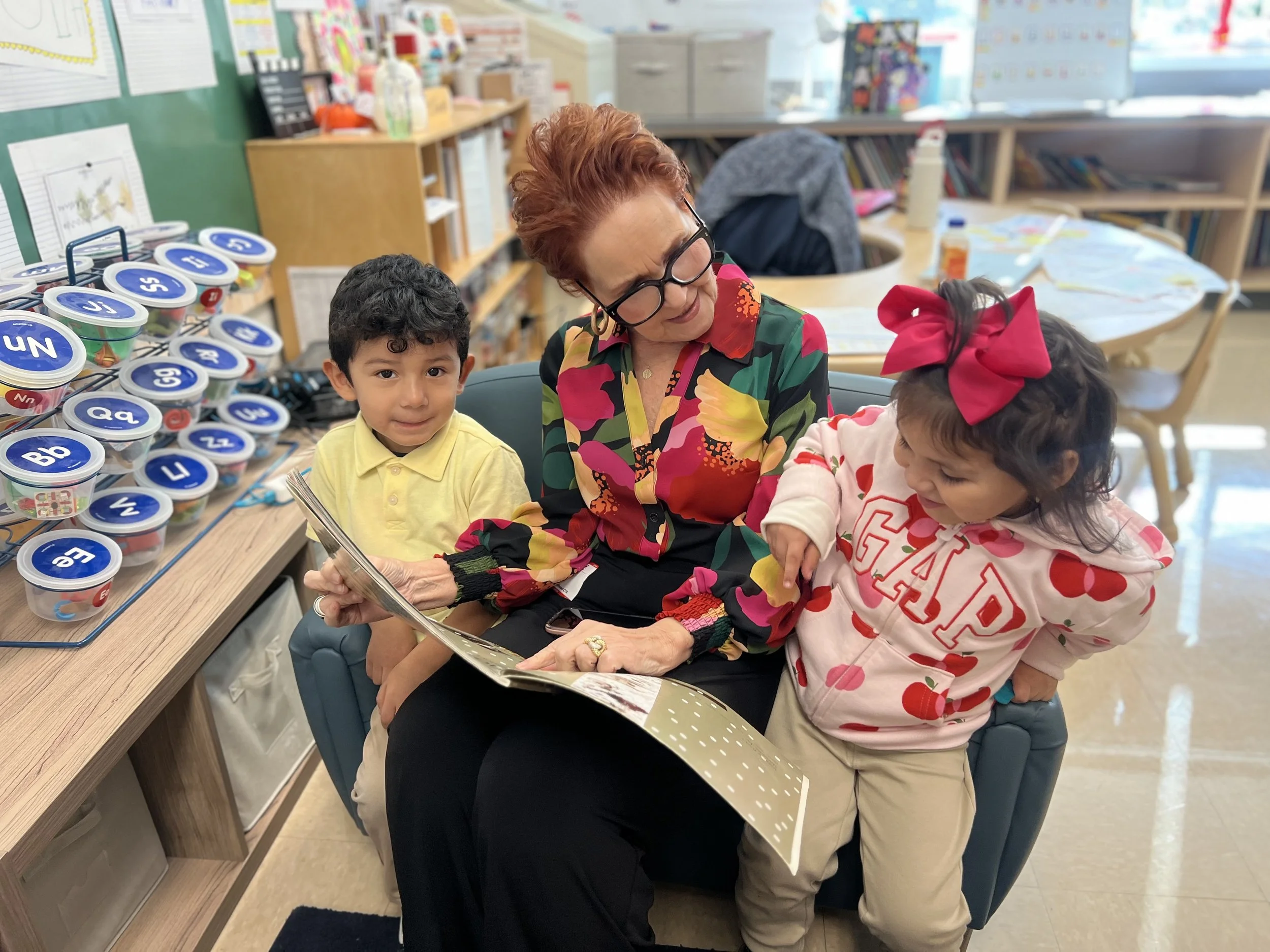
We talk a lot about phonemic awareness and phonics these days, and yes, they’re incredibly important. Kids absolutely do need to hear, segment, and blend sounds, and they need solid, systematic phonics instruction to become confident readers. But here’s the thing we sometimes forget. Phonemic awareness and phonics rest on something even more basic, even more foundational. Enter, oral language.
Before children ever pick up a pencil or sound out cat, they’re building a mental library of words, stories, rhythms, and ideas. A child with strong vocabulary, strong listening comprehension, and lots of experience playing with language has a powerful head start. As researchers like Hart & Risley pointed out years ago, kids who are immersed in rich, spoken language develop stronger literacy later. And more recent work by the National Early Literacy Panel keeps reminding us that oral language skills is a high predictor of later reading comprehension, and comprehension is reading, word calling without word meaning is not reading
Think about it: If a child doesn’t know what a “canoe” or a “chimney” or a “marching band” is, sounding out those words won’t magically give them meaning. But when kids spend their days telling stories, listening to stories, and diving into dramatic play, suddenly, literacy becomes alive. Pretending to be firefighters, building a “restaurant,” or retelling the Three Little Pigs gives kids vocabulary, sequencing, dialogue, and problem-solving skills that phonics alone can’t touch.
The Barbara Bush Houston Literacy Foundation and PNC are joining forces to turn research into action by fully funding a twenty-six-member‑ cohort of PreK teachers across the Houston area as they participate in Rice University’s OWL Lab Developing Oral Language short course. This partnership reflects a shared commitment to strengthening early literacy by investing directly in educators who shape young children’s earliest learning experiences.
This course, designed by Rice’s School Literacy and Culture, is a research-based professional learning experience that helps teachers intentionally build language-rich classrooms. Over the span of the program, educators explore how to use high-quality children’s literature, dramatic play, and children’s own interests to spark meaningful conversations and expand vocabulary. They also learn how to design open-ended, engaging activities that promote extended discourse and support both first language development and emergent bilingual children
So yes, let’s keep the phonics. But let’s also bring back the storytelling, the talk-rich classrooms, and the joyful dramatic play. Because reading doesn’t start with letters and sounds. It starts with oral language.
To learn even more about developing oral language in young children, check out some of my favorite books.
Reading for Meaning by Debbie Miller
The Power of Play by David Elkind
Strive-for-Five Conversations: A Framework That Gets Kids Talking to Accelerate Their Language Comprehension by Tricia A. Zucker Ph.D.